
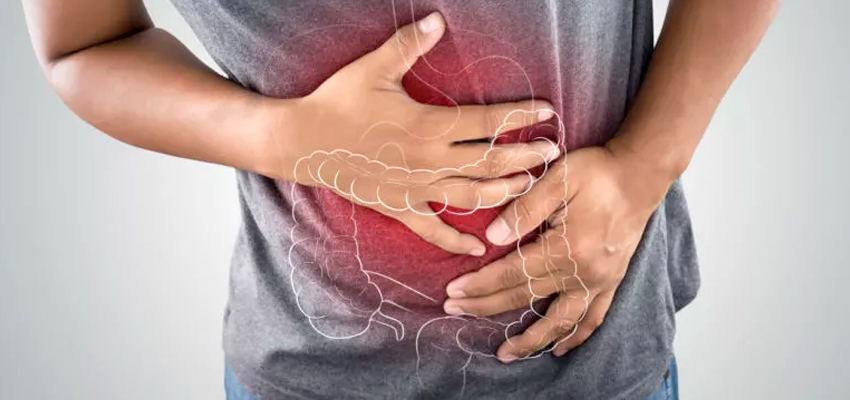
Inflammatory Bowel Disease
Inflammatory Bowel Disease (IBD) is a chronic, immune-mediated condition characterized by persistent inflammation of the gastrointestinal tract. IBD is a lifelong condition that requires expert management to control inflammation, prevent complications, and maintain remission.
Our clinic provides specialized, comprehensive care for patients with Inflammatory Bowel Disease, offering advanced diagnostic evaluation, evidence-based treatment, and long-term disease management to help patients lead a healthy and fulfilling life.
What Is Inflammatory Bowel Disease?
IBD is an umbrella term for chronic inflammatory conditions of the digestive tract. Unlike Irritable Bowel Syndrome (IBS), IBD involves actual inflammation and damage to the gut lining. It is an autoimmune condition in which the body's immune system mistakenly attacks the digestive tract, leading to chronic inflammation.
Types of IBD
The two main types of Inflammatory Bowel Disease are:
Crohn's Disease
Crohn's Disease can affect any part of the gastrointestinal tract from the mouth to the anus, with inflammation occurring in patches and extending through all layers of the bowel wall. It most commonly affects the small intestine and the beginning of the large intestine.
Ulcerative Colitis
Ulcerative Colitis affects only the colon (large intestine) and rectum, with continuous inflammation limited to the innermost lining of the bowel. It typically begins in the rectum and may extend to involve the entire colon.
Common Symptoms
Symptoms of IBD can vary depending on the type and severity of the disease:
- Persistent diarrhea, often with blood or mucus
- Severe abdominal pain and cramping
- Rectal bleeding
- Urgency to defecate
- Unintended weight loss
- Fatigue and weakness
- Fever during flare-ups
- Reduced appetite and nausea
- Anemia due to chronic blood loss
- Extra-intestinal manifestations (joint pain, skin lesions, eye inflammation)
Causes & Risk Factors
The exact cause of IBD is not fully understood, but contributing factors include:
- Abnormal immune system response
- Genetic predisposition and family history
- Environmental triggers
- Gut microbiome imbalance
- Smoking (particularly in Crohn's Disease)
- Prior gastrointestinal infections
- Stress and psychological factors
- Certain medications such as NSAIDs
Advanced Diagnosis
Diagnosing IBD requires a combination of clinical, endoscopic, histological, and imaging assessments. Our clinic offers:
Colonoscopy with Biopsy
The gold standard for diagnosing IBD, allowing direct visualization of the colon and rectum with tissue sampling for histological confirmation of inflammation.
Upper GI Endoscopy
Evaluation of the upper digestive tract to assess involvement in Crohn's Disease.
Capsule Endoscopy
A non-invasive procedure using a swallowable camera capsule to visualize the small intestine, particularly useful in Crohn's Disease.
Cross-Sectional Imaging
MRI enterography and CT enterography to assess the extent and severity of bowel inflammation, detect complications, and evaluate disease activity.
Laboratory Investigations
Blood tests including inflammatory markers (CRP, ESR), complete blood count, nutritional parameters, and stool calprotectin to monitor disease activity and guide treatment.
Treatment Options
IBD management aims to induce and maintain remission, prevent complications, and improve quality of life. Treatment is individualized based on disease type, extent, and severity:
Medications
- Aminosalicylates for mild to moderate Ulcerative Colitis
- Corticosteroids for inducing remission during flare-ups
- Immunomodulators for long-term maintenance therapy
- Biologic therapies (anti-TNF agents, anti-integrins) for moderate to severe IBD
- Small molecule therapies for refractory cases
Nutritional Support
Dietary guidance, nutritional supplementation, and enteral nutrition to address malnutrition and support gut healing, particularly in Crohn's Disease.
Disease Monitoring & Surveillance
Regular endoscopic and laboratory monitoring to assess disease activity, treatment response, and screen for complications including colorectal cancer.
Advanced & Multidisciplinary Management
For complex or refractory IBD, a multidisciplinary approach involving gastroenterologists, colorectal surgeons, radiologists, and nutritionists ensures comprehensive care.
Potential Complications of Untreated IBD
Without proper management, IBD can lead to serious complications such as:
- Bowel strictures and obstruction
- Fistulas and abscesses
- Toxic megacolon
- Severe malnutrition and anemia
- Increased risk of colorectal cancer
- Osteoporosis from chronic steroid use
- Extra-intestinal complications affecting joints, skin, and eyes
Early diagnosis and consistent long-term management are essential to prevent these complications and maintain a good quality of life.
Why Choose Us
- Specialized Expertise in IBD Management
- Advanced Endoscopic & Imaging Diagnostic Facilities
- Access to Latest Biologic & Advanced Therapies
- Personalized Long-Term Disease Management Plans
- Multidisciplinary Team Approach
- Compassionate, Patient-Centered Care
- Decades of Clinical Experience
Book a Consultation
If you are experiencing persistent diarrhea, rectal bleeding, abdominal pain, or unexplained weight loss, seek expert evaluation without delay. Early diagnosis and appropriate treatment of Inflammatory Bowel Disease can help you achieve remission, prevent complications, and live a full and active life.