
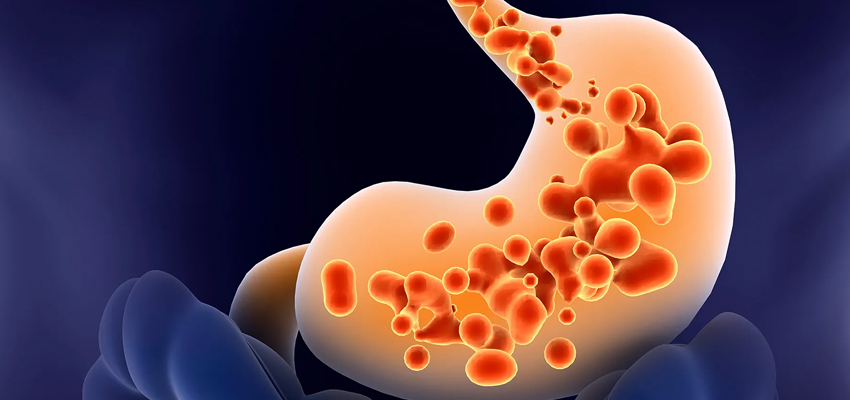
Acid Reflux & GERD
Acid Reflux and Gastroesophageal Reflux Disease (GERD) are common digestive conditions that occur when stomach acid repeatedly flows back into the food pipe (esophagus). Occasional acidity is common, but frequent reflux can cause discomfort, inflammation, and long-term complications if left untreated.
At our clinic, we provide comprehensive evaluation and advanced treatment for Acid Reflux and GERD using evidence-based approaches and specialized diagnostic techniques to ensure long-lasting relief and improved digestive health.
What is GERD?
GERD is a chronic form of acid reflux in which stomach acid frequently moves upward into the esophagus, irritating its lining. Persistent reflux can affect daily life, sleep quality, eating habits, and overall well-being. Early diagnosis and proper treatment are essential to prevent complications.
Common Symptoms
Patients with Acid Reflux or GERD may experience:
- Burning sensation in the chest (heartburn)
- Sour or bitter taste in the mouth
- Regurgitation of food or acid
- Difficulty swallowing
- Chest discomfort after meals
- Persistent cough or throat irritation
- Hoarseness of voice
- Bloating and indigestion
- Excessive burping
- Symptoms worsening at night or while lying down
Causes & Risk Factors
Several factors can contribute to Acid Reflux and GERD, including:
- Weakening of the lower esophageal sphincter (LES)
- Obesity or excess abdominal pressure
- Spicy, oily, or acidic foods
- Smoking and alcohol consumption
- Stress and irregular eating habits
- Hiatal hernia
- Pregnancy
- Certain medications
Advanced Diagnosis
Accurate diagnosis is essential for effective treatment. Our clinic offers advanced diagnostic evaluation, including:
Upper GI Endoscopy
A minimally invasive procedure used to examine the esophagus, stomach, and upper digestive tract for inflammation, ulcers, or other abnormalities.
Esophageal Manometry
A specialized test that measures the function and coordination of esophageal muscles and the lower esophageal sphincter.
24-Hour pH Monitoring
An advanced test used to measure acid exposure in the esophagus and confirm GERD diagnosis.
Clinical Evaluation
Detailed symptom assessment, medical history review, and lifestyle evaluation to identify underlying causes.
Treatment Options
Treatment is personalized based on the severity and underlying cause of GERD.
Lifestyle & Dietary Modifications
- Avoiding trigger foods
- Eating smaller meals
- Weight management
- Avoiding late-night meals
- Elevating the head during sleep
- Reducing caffeine and alcohol intake
Medications
Medicines may be prescribed to reduce acid production, relieve symptoms, and promote healing of the esophagus.
Advanced Management
For patients with persistent or complicated GERD, specialized treatment plans and long-term management strategies are provided.
Why Early Treatment Matters
Untreated GERD can lead to complications such as:
- Esophagitis
- Esophageal ulcers
- Narrowing of the esophagus
- Chronic cough and respiratory issues
- Barrett’s esophagus
- Increased risk of esophageal cancer
Timely medical attention can help prevent these complications and significantly improve quality of life.
Why Choose Us
- Expertise in Functional GI Disorders & GERD
- Advanced Diagnostic Facilities
- Personalized Treatment Plans
- Evidence-Based Care
- Compassionate & Patient-Centered Approach
- Decades of Clinical Experience
Book a Consultation
If you are experiencing frequent acidity, heartburn, or digestive discomfort, seek expert evaluation today. Early diagnosis and proper treatment can help you achieve lasting relief and better digestive health.