
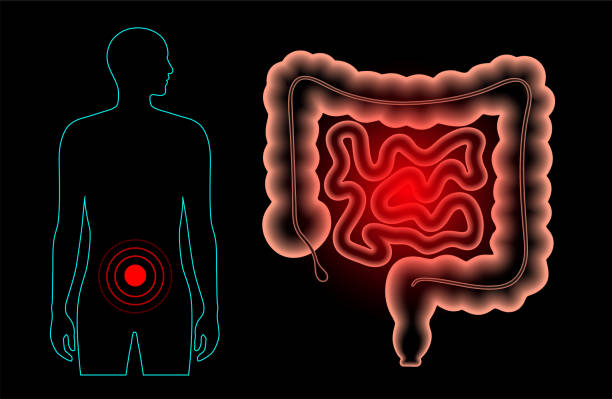
What is inflammatory bowel disease?
IBD is a general term that includes intestinal disorders. IBD occurs when the immune system mistakenly attacks healthy intestinal cells. This causes inflammation and symptoms such as pain and changes in bowel movements.IBD is a chronic or long-term disease, but there are treatments that can help reduce symptoms and prevent flare-ups. So contact us, and we will give Best Inflammatory Bowel Disease Treatment in Malad.
What are the symptoms of inflammatory bowel disease?
The symptoms of IBD may vary with the type, location, and severity. People can have flairs, or times when their symptoms get worse, and remissions, or times when they have few or no symptoms. Flares can vary in size, brightness, and length. We have the Best Inflammatory Bowel Disease Treatment in Malad.
The CDC states that both of the primary forms of IBD share the following symptoms:
- Blood in the ongoing diarrhea
- weariness
- reduction of weight
According to the Office on Women's Health (OWH), IBD may also cause symptoms that are not related to the digestive system, such as:
- fever and joint discomfort
- skin disorders
Additionally, according to the OWH, IBD symptoms may worsen during menstruation and may exacerbate the effects of menstruation. A woman's risk of iron deficiency anemia is also increased by IBD.
Complications of Inflammatory Bowel Disease
Are You Trying to Find the Best Inflammatory Bowel Disease Treatment in Malad? Come see Dr. Sobhna Bhatia right now. Numerous complications have been associated with IBD by medical professionals. A few of them might be fatal.
The NIDDK lists the following as potential Crohn's disease complications:
- obstruction of the bowel
- colon cancer
- Fistulas are aberrant gut tunnels.
- Anal fissures, or tiny tears in the anus
- ulcers in the mouth, anus, intestines, or perineum (the space between the anus and genitalia)
- malnourishment
Additionally, they propose that ulcerative colitis may result in the following complications:
- rectal bleeding, which could result in dehydration and iron deficiency anemia
- inadequate nutrient absorption
- decreased bone density, which could result in osteoporosis or osteopenia
How is Inflammatory Bowel Disease diagnosed
The medical professional takes a full medical history in order to diagnose IBD before requesting one or more diagnostic tests. Some of the tests they might use include:
- stool samples
- blood tests to check for an infection or anemia
- X-rays if they think there may be a serious problem
- CT or MRI scans help to find the fistulas in the anal area or small intestine .
Endoscopic procedures may also be ordered by a medical professional. During these procedures a flexible probe with a camera attached will be inserted through the anus. These techniques allow the medical practitioner to take a very small sample of tissue for analysis and help to identify any damage to the intestine. The following types of endoscopic procedures can be performed by a medical professional to diagnose IBD:
- Colonoscopy – This is the examination of the whole colon.
- Flexible sigmoidoscopy: This test allows them to see the last part of the colon.
- During an upper endoscopy, your doctor can examine the esophagus, stomach and first part of the small intestine.
Another option is capsule endoscopy. The patient swallows a capsule containing a camera to allow a medical professional to examine the small intestine. Book an appointment with Dr. Sobhna Bhatia today for Best Inflammatory Bowel Disease Treatment in Malad.