
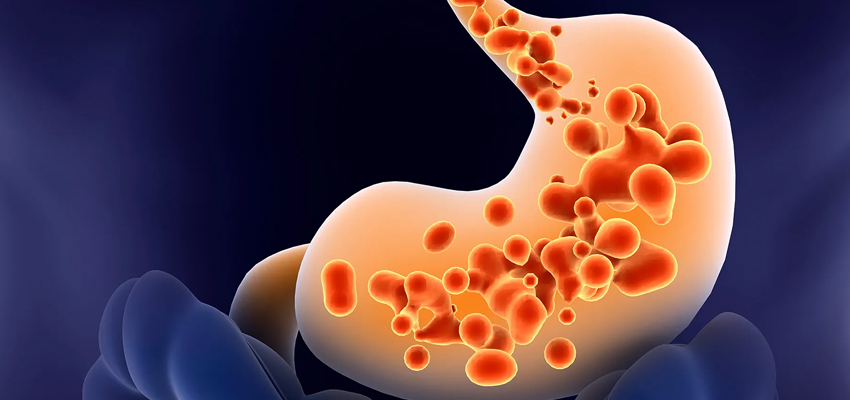
What are the different types of gastrointestinal disorders?
Are You Trying to Find the Best Functional GI Disorders Treatment in Malad ? Come see Dr. Sobhna Bhatia right now. According to a 2021 study, Functional GI Disorders affect about 40% of people worldwide, though they may be more prevalent in women. Anywhere along the GI tract, including the esophagus, stomach, and intestines, FGIDs can develop.
A 2021 review identified 20 pediatric conditions and 33 adult conditions that can be classified as FGIDs. Among them are:
- Irritable bowel syndrome
- Reflux disease of the gastroesophagus
- Indigestion, or functional dyspepsia
- functional vomiting and nausea
- functional pain in the abdomen
- Constipation that is functional
- Diarrhea that is functional
- Incontinence of feces
Common causes of Functional GI Disorders
Changes in lifestyle can have a significant impact on the environmental causes of FGIDs, such as stress and smoking. Additionally, there are numerous factors that are beyond your control, like:
- family background
- sensitivity of the gut
- GI motions that are either too quick or too slow
- immune system performance
- processing of the central nervous system
- Depression and anxiety
Typical symptoms of Functional GI Disorders
According to a 2017 report, the physical symptoms can vary depending on your particular condition. They might be:
- Abdominal pain
- gas, indigestion, bloating, burping, constipation, diarrhea
- nausea;
- Swallowing problems
- vomiting
Although it's challenging to identify the underlying causes of either, a 2020 study found a strong correlation between mental health conditions and FGIDs. Stress, anxiety, and depression can both be signs of FGID and exacerbate its symptoms. For the Best Functional GI Disorders Treatment in Malad, contact us.
Symptoms of Functional GI Disorders in infants and children
The symptoms mentioned above may be present in children. However, functional abdominal pain is the most prevalent symptom of FGID in children, according to the American College of Gastroenterology. That is, pain that is not an illness but rather an abnormal GI system function. We have the Best Functional GI Disorders Treatment in Malad.
A 2018 study found that many infants may have multiple FGIDs during the first six months of life. 78% of infants through 6-month-olds in this study had multiple FGIDs, such as the following:
- bloating or gas colic
- Regurgitation
According to the study's findings, a baby's capacity to breastfeed and gain weight may be impacted by multiple FGIDs. Their quality of life was also impacted by combined FGIDs.
Diagnosis of Functional GI Disorders
Talk to your doctor to identify your symptoms, think about how they impact your quality of life, and develop a treatment plan that is right for you. Diagnosing FGIDs is not as simple as with some other conditions. But even with symptoms, lab tests and imaging studies might not show anything particularly strange in your GI tract. Come to our clinic today to see Dr. Sobhna Bhatia, the Best Functional GI Disorders Treatment in Malad.
It might take some time for your doctor to diagnose a FGID. Your physician will:
- conduct an interview with you
- inquire about your symptoms, medical history, and family medical history.
- conduct a physical examination
Although they might not be definitive, your doctor might order imaging tests like CT or X-rays or laboratory tests like blood, urine, and stool samples.
During the visit, your doctor might ask you the following questions:
- When did the symptoms first appear?
- What worries you?
- Do these symptoms make it difficult for you to engage in certain activities?
- What are your expectations regarding the course of treatment?
- Are you worried about the nature of this illness?
You might also be asked about your lifestyle by your doctor. This covers your sleep schedule, exercise regimen, and diet. Think about keeping a journal in which you record your symptoms as well as other details about the condition, particularly your diet. Make sure to bring the journal to your appointment, as it can offer crucial information for your diagnosis.
A diagnosis of FGID based on the Rome Criteria may be made after consulting with your physician. One organization that publishes FGID criteria is the Rome Foundation.