
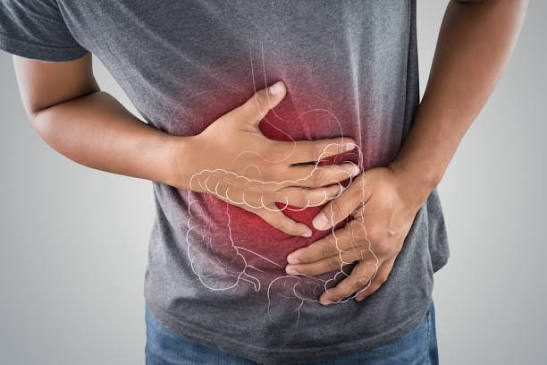
What You Should Know About Constipation
Constipation is defined as infrequent (less than 3 times a week) or hard, dry stool. It can be caused by things such as your diet, medications, whether you are pregnant or not, or even just a change in your routine. So, get in touch with us, as we have the Best Constipation Specialist in Malad.
Symptoms
Bowel habits vary from person to person. While some go three times a week, others go three times a day.
However, if you have any of the following symptoms, you might be constipated:
- fewer than three bowel movements per week
- passing dry, hard, or lumpy stools
- straining or discomfort when having a bowel movement
- a sensation of fullness following a bowel movement
The National Institute of Diabetes and Digestive and Kidney Diseases (NIDDK) advises consulting a doctor if your symptoms persist or if you observe any of the following:
- Bleeding from your bottom
- You have blood in your feces.
- Chronic abdominal pain
- low back pain
- a feeling of gas trapped
- vomiting
- fever
- Unintentional weight loss
- sudden change in bowel habit
To rule out a more serious illness, like colorectal cancer or irritable bowel syndrome (IBS), a medical practitioner may perform tests. Make an appointment with Dr. Sobhna Bhatia, the Best Constipation Specialist in Malad, right now.
Causes
The primary function of your colon is to absorb water from leftover food as it passes through your digestive system. Stool (waste) is subsequently produced. The waste is eventually expelled through the rectum to be removed by the muscles of the colon. Stool can become hard and challenging to pass if it stays in the colon for too long. The Best Constipation Specialist in Malad is here.
A bad diet is often the cause of constipation. Sufficient water and dietary fiber will produce soft stools. Plant-based foods make up the bulk of fiber-rich foods. Fiber is available in soluble and insoluble forms. Soluble fiber dissolves in water and becomes gel-like as it moves through the digestive system. The bulk of the structure of insoluble fiber is not altered by digestion. Both types of fiber blend with stool to make it softer, heavier and larger. This allows for passage through the rectum. Stress, changes in your schedule, and illnesses that slow the contractions of the colon muscles or delay the urge to go can also cause constipation.
Constipation is frequently caused by:
- low-fiber diet, especially one heavy in cheese, meat, or milk
- Dehydration
- low levels of physical activity
- postponing the urge to pass gas
- Travel or other schedule modifications
- drugs, such as some antacids, painkillers, diuretics, and Parkinson's disease treatments
- Being pregnant
- older age (about one-third of those over 60 experience constipation)
How to prevent constipation
Constipation relief and prevention tips are comparable. Try the following:
- Consume a lot of whole grains, fruits, and vegetables.
- Consume foods high in fiber and consult a doctor about taking fiber supplements.
- Add bran cereal or prunes to your diet.
- Drink a lot of water.
- Steer clear of caffeine and alcohol, as they can cause dehydration.
- Exercise on a regular basis.
- Think about including probiotics in your diet, such as those in kefir and yogurt that contain live, active cultures.
- To have a bowel movement at the same time every day, train your muscles.
Probiotics may be beneficial for those with persistent constipation, according to some research. Don't forget to stay hydrated if you take fiber supplements. Fluids improve the efficiency of fiber. Come see Dr. Sobhna Bhatia, the Best Constipation Specialist in Malad, at our clinic right now.
How is constipation diagnosed?
Are you trying to find the Best Constipation Specialist in Malad? Come see Dr. Sobhna Bhatia right now. It might be time to see a doctor if your constipation doesn't go away or if you're worried about your symptoms.
A medical practitioner:- will inquire about your symptoms, past medical history, current medications, and any underlying medical conditions.
- may perform a rectal exam as part of a physical examination.
- may perform some blood tests to assess thyroid function, electrolytes, and blood count.